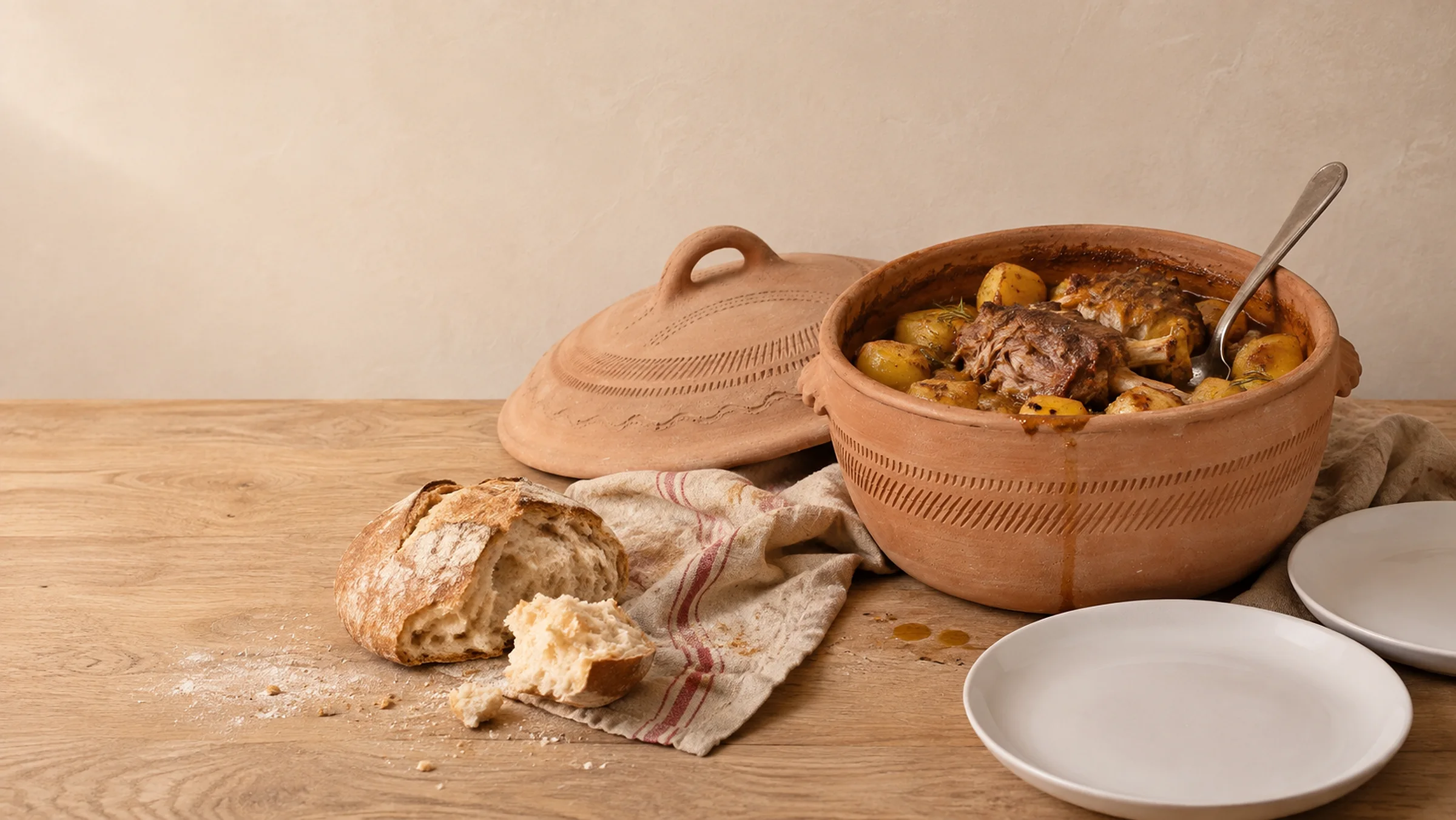
Handmade clay cookware from Zlakusa
Sač bells, pots and kettle pots that bring back the true, home-cooked taste. Every piece is shaped by hand and fired in a kiln.
UNESCO heritage
Hand-wheel pottery making in Zlakusa is inscribed on UNESCO's Representative List of the Intangible Cultural Heritage of Humanity.
100% handmade
Every piece is shaped by hand on the potter's wheel, without moulds. Each one is unique.
Certificate and master's seal
Protected designation of geographical origin. Every piece comes with a certificate and a product declaration, and carries a handprint and the master's seal.
Only clay and calcite
Half clay, half calcite mineral. No glaze and no chemical additives, safe for cooking and storing food.
Best sellers
The cookware our customers choose most
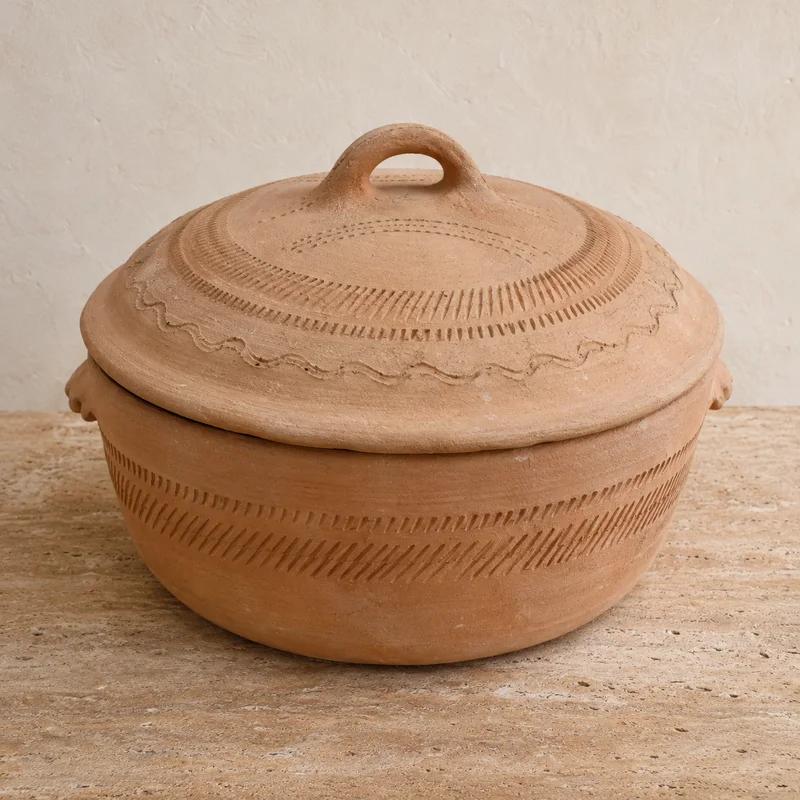
Sač 37 cm
For baking bread, meat and vegetables under the bell
€105
Send an inquiry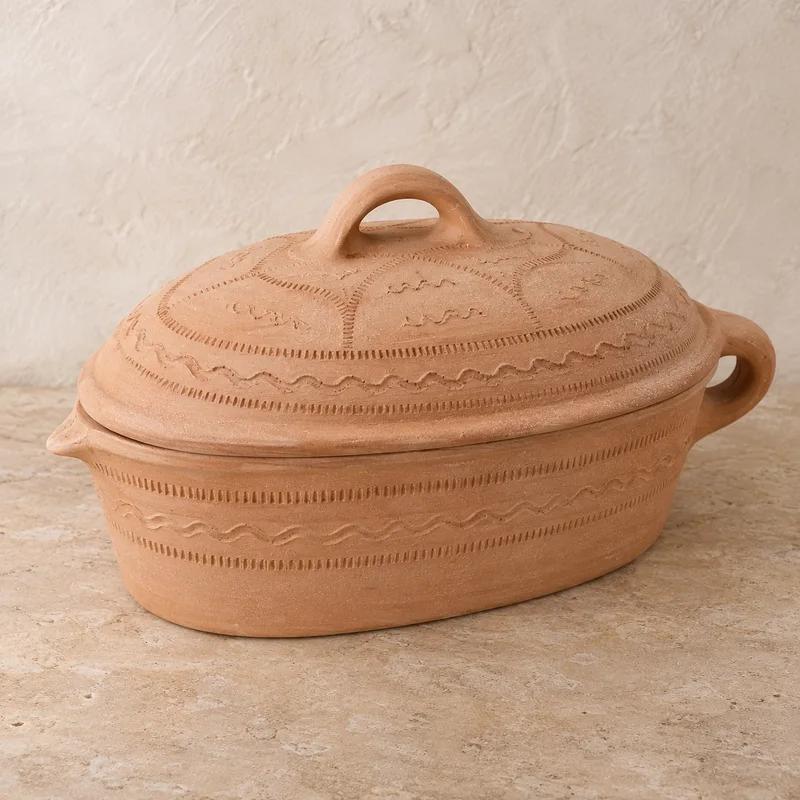
Oval roaster 5-6 L
For baking bread, meat and vegetables
€85
Send an inquiry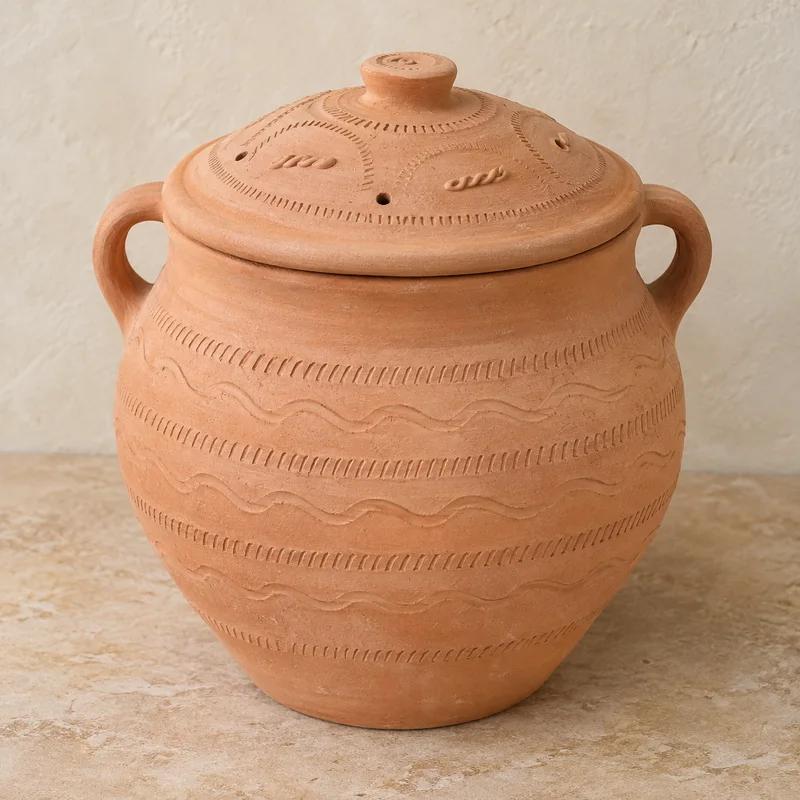
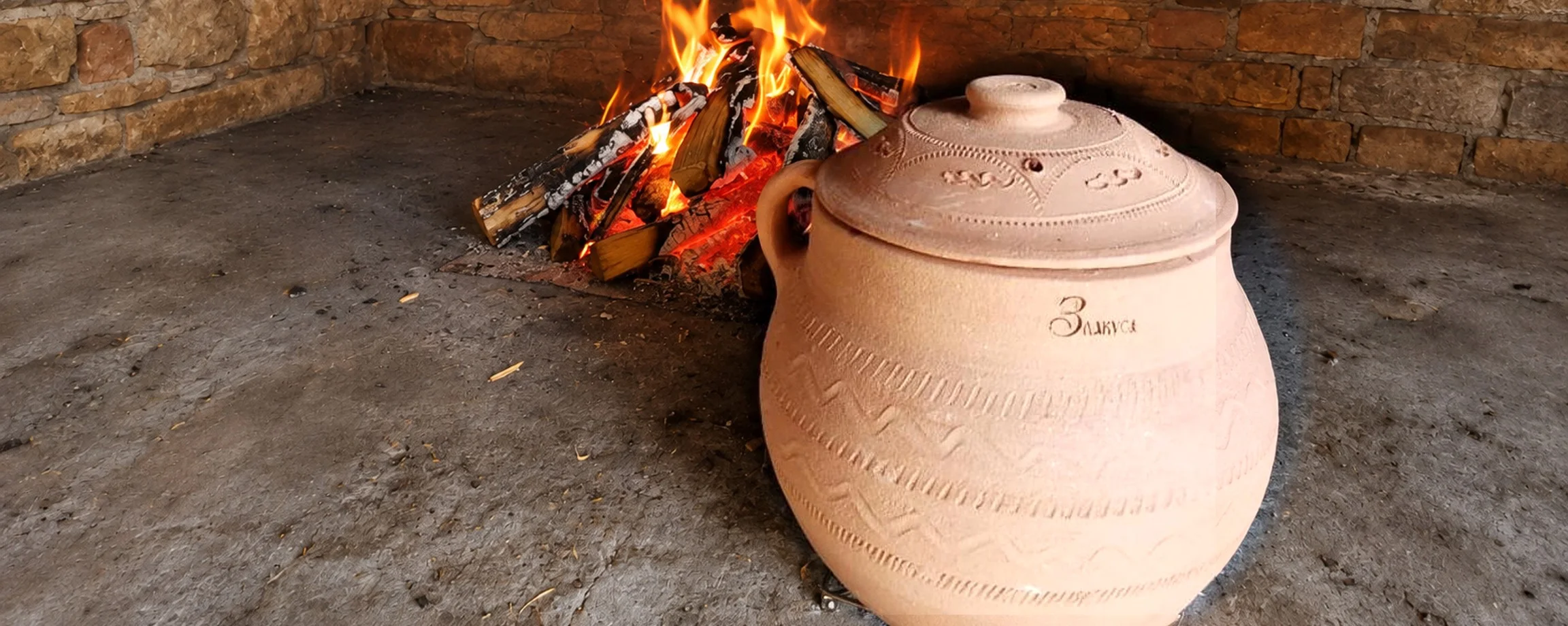
Pot 12-13 L
For stews, beans and soups
€95
Send an inquiry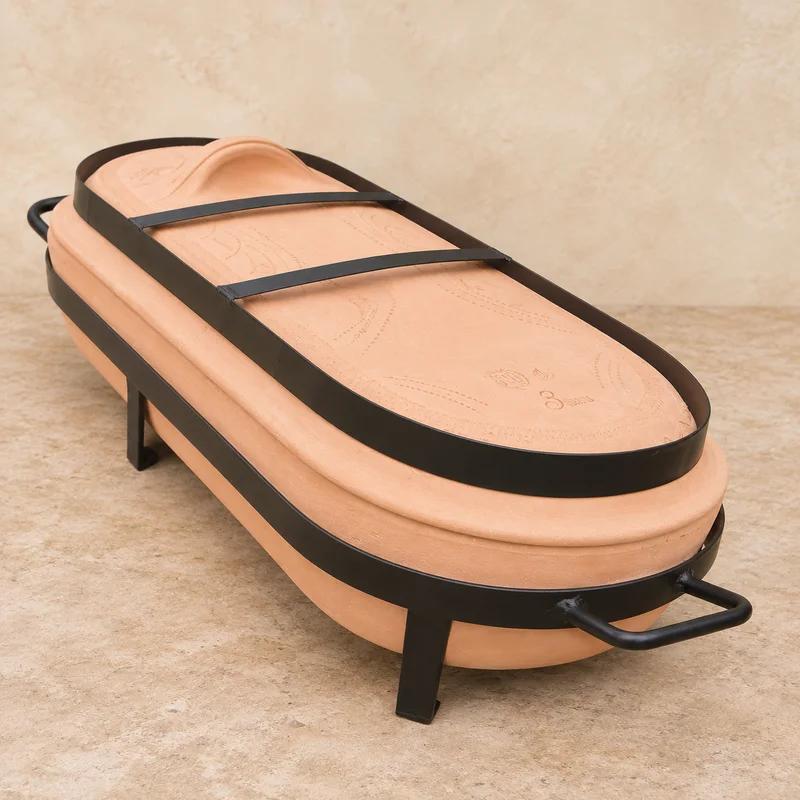
Metal-banded pržulja with lid 80 cm
For large roasts
€500
Send an inquiry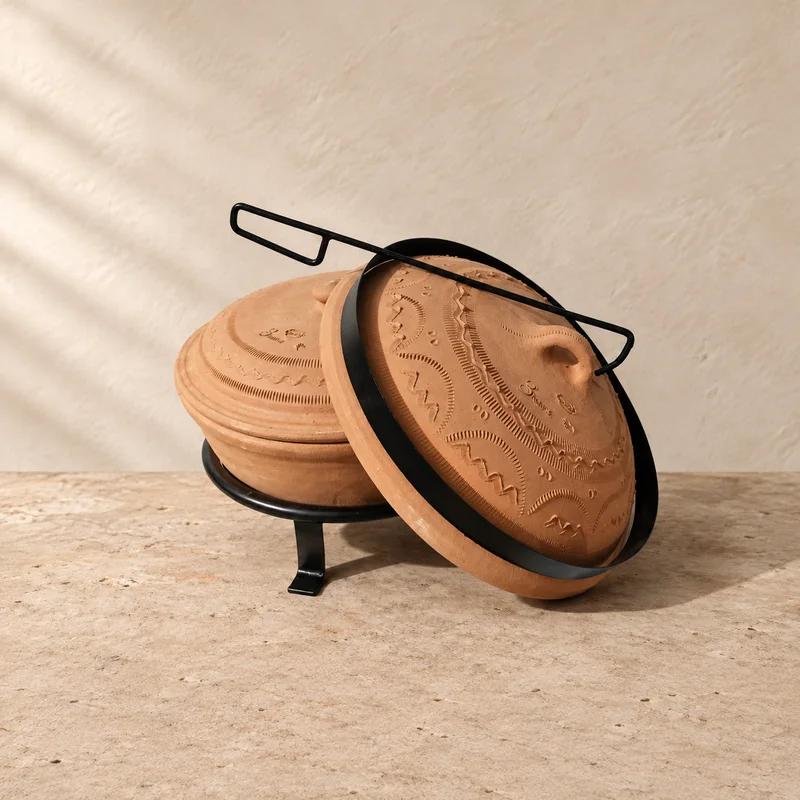
Zlakusa bell 40 cm
Roaster with two lids, one for the oven and one for embers, with a metal stand, ring and hook
€185
Send an inquiry
Earth, fire and three centuries of craft
Gather your friends and family and enjoy the flavours our ancestors cooked by the hearth. Small culinary rituals for the times ahead.
From clay to hearth
01Clay on the wheel
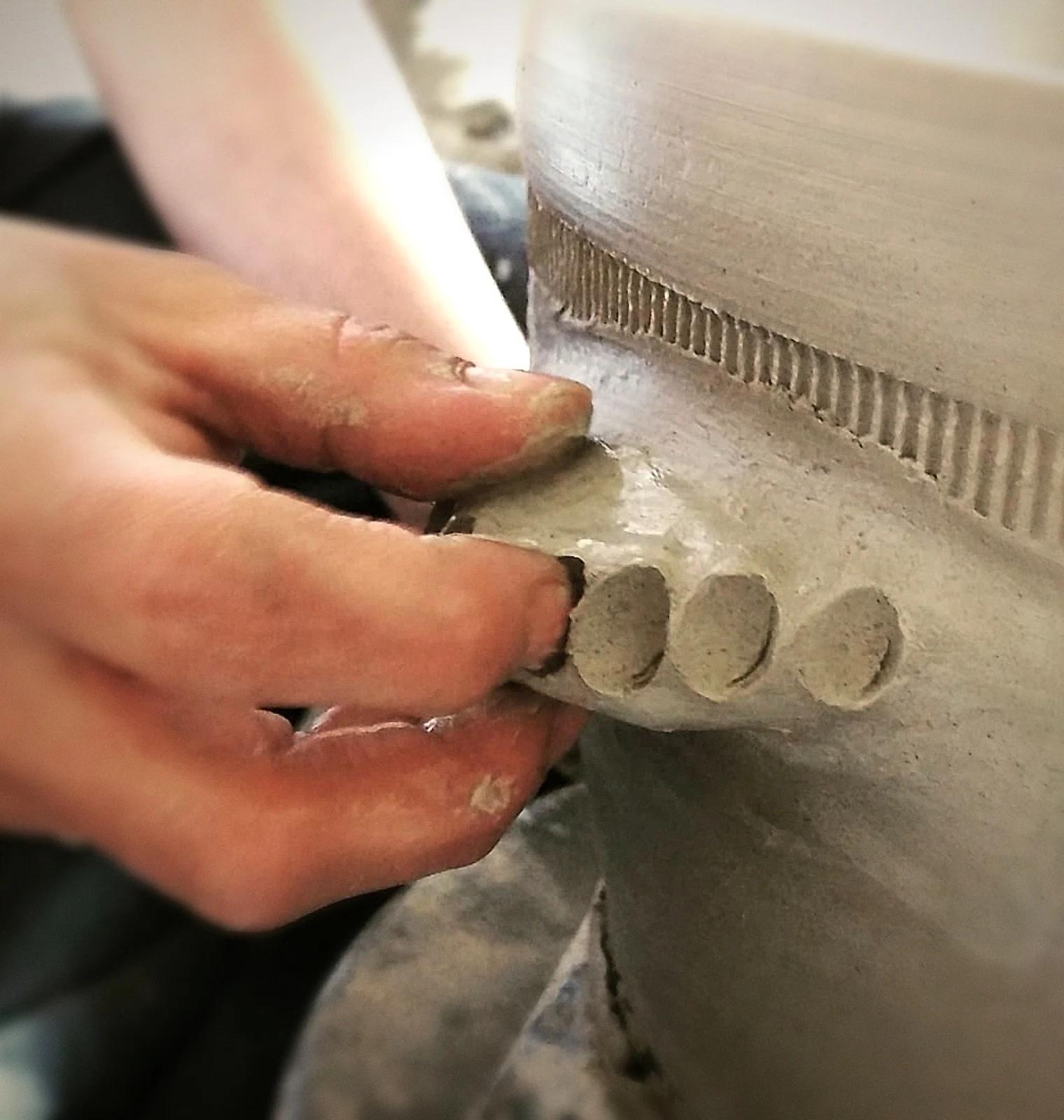
The potter turns the wheel with one hand and builds the pot from coils of clay with the other. One potter makes only three to six pieces a day.
02Air drying
The pots dry in the shade or in an airy place, large ones for up to 15 days. Drying too fast causes cracks, so there is no rushing.
03Firing at 700 to 900 °C
After firing, the potter inspects every piece once more and only then sends it to the customer.
How Zlakusa pottery is made
This pottery is special in both its composition and the way it is made. It consists of 50% clay and 50% stone, the mineral calcite. The stone makes the cookware even more durable and allows large pieces to be made.
The clay is dug in the nearby village of Vranjani and then soaked in water for seven days. The stone comes from Rupeljevo, another nearby village; it is ground and the fine powder is mixed into the clay.
The cookware is made the ancient way, on the so-called wheel: the potter shapes the pot from coils of clay with one hand and turns the wheel with the other. The finished pot then dries in the shade or in an airy place. After a few days of drying (up to 15 days for large pots) it receives its final decorative details and is prepared for firing at 700 to 900 °C. After firing, the potter carefully inspects every piece once more, and only then is it ready for its journey to the customer.
Both the materials and the way the cookware is made are completely environmentally friendly.
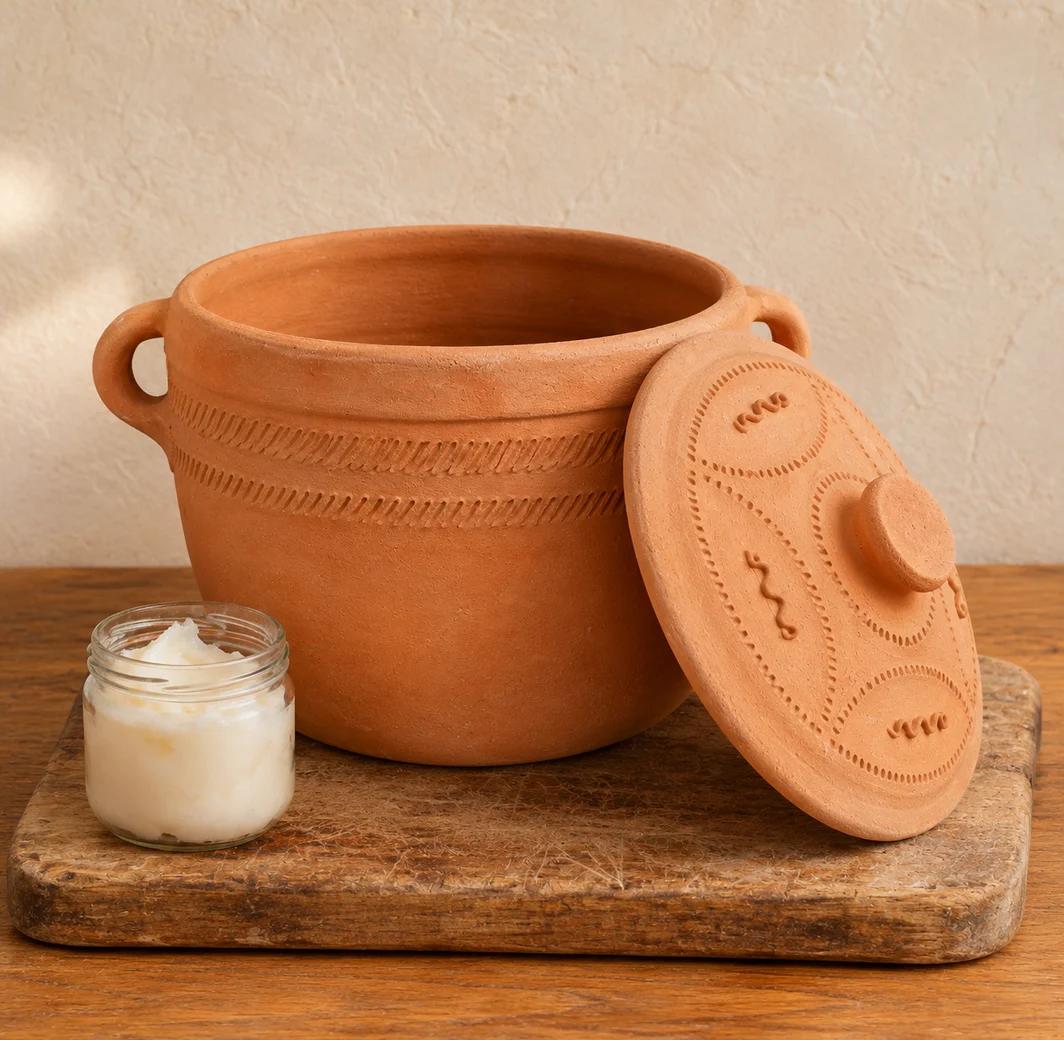
Preparation and use
Before the first meal: three steps
A new pot needs to be washed, greased and baked once in the oven. All instructions for electric hobs, ovens, gas and embers are on a separate page.
Wash the pot in lukewarm water without detergent and let it dry.
Coat the inside with a thin layer of lard or oil.
Put the pot in a cold oven, bake it at 200 °C for up to an hour and let it cool down.
“No industry, no mass production. Only clay, water, air and fire.”